Preventing and Managing Preeclampsia: Tips for a Healthier Pregnancy
Can Preeclampsia Be Prevented? What You Can Do
If you’ve heard the word “preeclampsia” and it made you nervous—you’re not alone. This pregnancy condition can feel scary, especially if you’ve had it before or know someone who has. The truth is, there’s no sure way to prevent preeclampsia. But that doesn’t mean you’re powerless.
With the right steps, planning, and support, you can lower your chances and stay healthier during pregnancy.
Understanding What Can and Can’t Be Controlled
Preeclampsia can happen for a lot of reasons. Some of them are out of your hands, like:
- Your age
- If this is your first pregnancy
- A family history of preeclampsia
- Past health conditions, like kidney disease
But here’s the good news: not everything is out of your control. There are things you can do now to help reduce your risk.
Preventative Strategies That Can Help
One of the most talked-about ways to help with preeclampsia prevention is low-dose aspirin during pregnancy. It’s not for everyone, but if your OB provider recommends it, it could help lower your risk. Low-dose aspirin is usually considered safe during pregnancy when taken under medical guidance. It works by improving blood flow to the placenta, which may help lower the risk of complications in people who are at higher risk for preeclampsia. Be sure to ask your provider if it’s right for you—it’s usually started around 12 weeks of pregnancy.
Other smart ways to support a healthy pregnancy include:
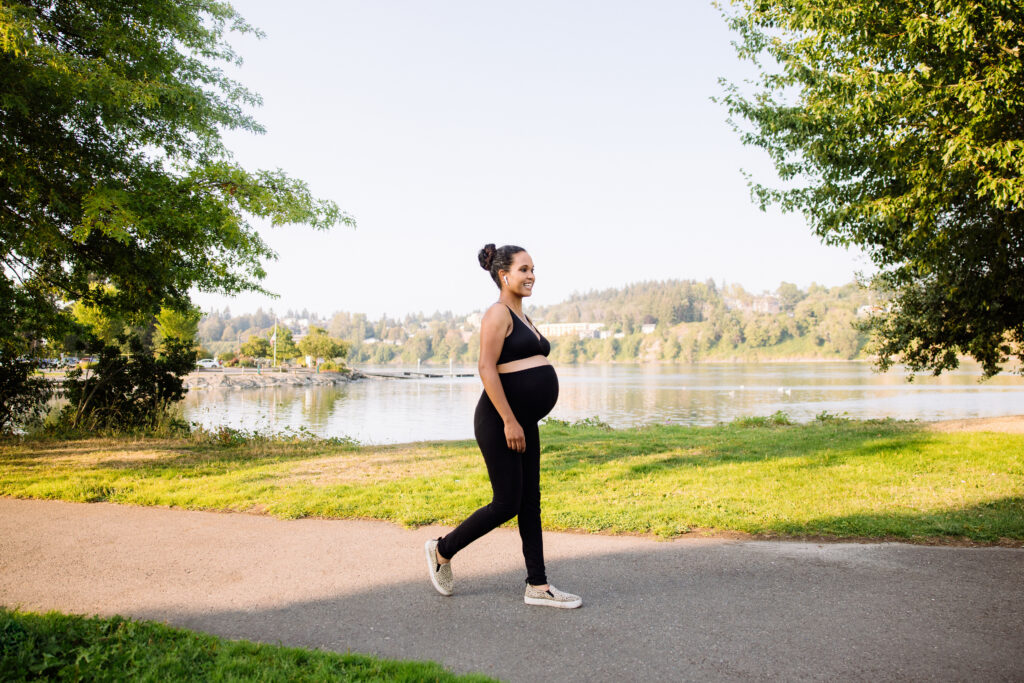
- Staying active, daily activity (as much as your provider says is safe)is important
- Eating well, focusing on fresh fruits, vegetables, whole grains, and less processed food
Managing stress—try gentle movement, breathing exercises, peaceful music or just taking quiet time for yourself
These steps may not “cure” anything, but they can help your body handle pregnancy better.
Managing Chronic Conditions During Pregnancy
If you already have health issues like high blood pressure, diabetes, or kidney disease, it’s even more important to keep them under control. That’s a big part of managing high blood pressure in pregnancy and lowering the risk of preeclampsia.
Here’s what that can look like:
- Taking medications exactly as your provider discusses with you
- Tracking your blood pressure at home (if advised)
- Making healthy choices around food and activity
- Asking questions when something doesn’t feel right
Regular checkups are key. Don’t skip them, and speak up if something feels “off.” Even if your scheduled visit is in a few days, catching problems early makes a big difference.
Staying on Top of Symptoms and Appointments
Even with good planning, it’s still important to watch for signs of preeclampsia. Keep an eye out for:
- Headaches that won’t go away
- Vision changes (like seeing spots)
- Swelling in your face, hands, or feet
- Pain in your upper belly
- Shortness of breath
There’s no perfect way to stop preeclampsia from happening. But taking proactive steps—like using low-dose aspirin (if recommended), managing your health, and going to all your appointments—can help you stay in control.
You don’t have to do it alone. Connect with your WIN Nurse Care Advocate to make a plan that fits your needs and supports a healthier pregnancy.
Taking care of yourself is one of the best things you can do for your baby—and for you.